
Blind Voices That Inspire Us All
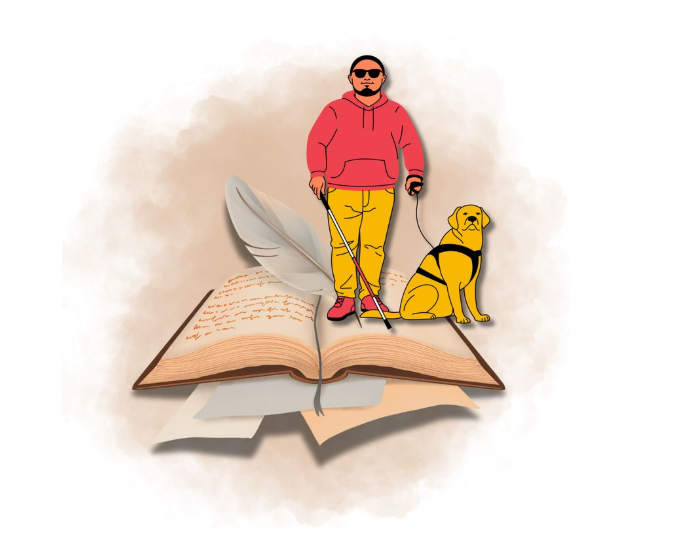
Blindness is not the absence of vision—it’s the presence of a different kind of clarity. Across the world, blind individuals are reshaping narratives, defying expectations, and inspiring communities with their resilience, creativity, and leadership. Their voices touch the sky—not because they are extraordinary, but because they are deeply, beautifully human.
The Power of Story
Stories have the power to connect, heal, and transform. When blind individuals share their journeys, they offer more than inspiration—they offer insight. Their experiences reveal the emotional depth, ingenuity, and determination required to navigate a world built for sight.
Take the story of Haben Girma, the first deafblind graduate of Harvard Law School. Her advocacy for inclusive technology has influenced global policy and challenged ableist assumptions (Girma, 2020). Or Erik Weihenmayer, who became the first blind person to summit Mount Everest, proving that physical blindness does not limit human ambition (Weihenmayer, 2017).
Everyday Triumphs
While high-profile achievements are powerful, everyday triumphs are equally profound. A blind parent guiding their child through school. A student mastering Braille. A teacher adapting lessons for inclusive learning. These moments—often unseen—are acts of courage and love.
Blind individuals often develop heightened emotional intelligence, deep listening skills, and creative problem-solving abilities. These strengths enrich families, workplaces, and communities. As the American Foundation for the Blind (n.d.) notes, “Blindness fosters unique perspectives that challenge conventional thinking and expand human empathy.”
Voices That Resonate
Blind voices resonate because they speak to universal themes: identity, belonging, perseverance. They remind us that disability is not a tragedy—it’s a variation of the human experience. When blind individuals share their stories, they invite others to reflect on their own assumptions, biases, and values.
These voices also advocate for change. From accessible design to inclusive education, blind storytellers are leading movements that benefit everyone. Their lived experience becomes a blueprint for equity.
Touching the Sky
To “touch the sky” is to rise above imposed limits. Blind individuals do this not by denying their disability, but by embracing it as part of their identity. Their stories are not about overcoming blindness—they’re about living fully with it.
In amplifying these voices, we build a more compassionate, inclusive world. One where every story matters. One where blindness is not a barrier to greatness, but a path to it.
Conclusion
Blind voices don’t ask for pity—they ask to be heard. And when we truly listen, we discover not just stories of resilience, but reflections of our shared humanity. These voices illuminate what it means to persevere, to create, to lead—not in spite of blindness, but through it.
From mountaintops to classrooms, from policy halls to family kitchens, blind individuals are shaping the world with clarity, courage, and grace. Their stories remind us that greatness is not defined by what we see, but by how we live, connect, and uplift one another.
To honor these voices is to challenge our own perceptions. It’s to build spaces where blindness is not romanticized or feared—but respected, understood, and embraced. Because when blind individuals touch the sky, they don’t rise alone—they lift all of us with them.
References
American Foundation for the Blind. (n.d.). Living with blindness: Emotional and social well-being. https://www.afb.org/blindness-and-low-vision/living-blindness/emotional-and-social-well-being
Girma, H. (2020). Haben: The deafblind woman who conquered Harvard Law. Twelve.
Weihenmayer, E. (2017). No barriers: A blind man’s journey to kayak the Grand Canyon. Thomas Dunne Books.


Leave a Reply