
Building Inclusive Communities for the Blind
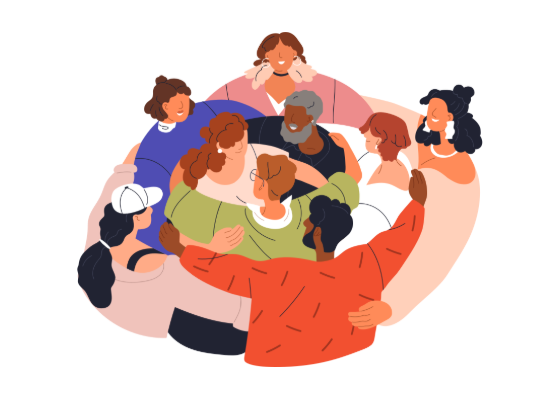
Awareness is the first step—but it’s not the destination. For blind individuals, true inclusion requires more than empathy; it demands action. It means reshaping environments, policies, and attitudes so that blindness is not treated as a barrier, but as a dimension of human diversity.
This article explores how communities can move from passive awareness to active inclusion—creating schools, workplaces, and public spaces where blind individuals are not just accommodated, but empowered.
Schools: Inclusion Begins with Education
Inclusive education is not just about access—it’s about belonging. Blind students thrive when schools:
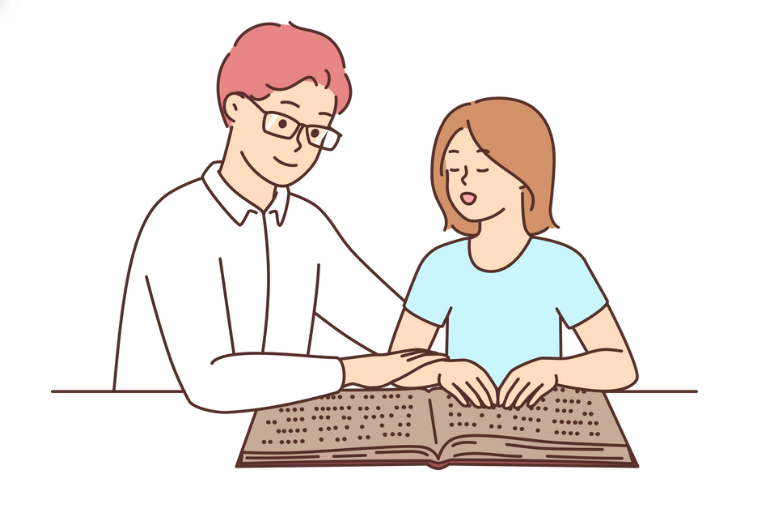
- Provide accessible materials in Braille, large print, or audio formats.
- Train teachers in inclusive pedagogy and disability awareness.
- Foster peer understanding through empathy-building activities.
According to the World Health Organization (2023), inclusive education improves academic outcomes and social integration for students with disabilities. When blind students are treated as full participants—not exceptions—they gain confidence, and their peers learn to value difference.
Action Tip: Advocate for Individualized Education Plans (IEPs) that reflect both academic and emotional needs. Encourage schools to consult blind students directly about what works best for them.
Workplaces: Accessibility Is Innovation
Blind professionals bring unique perspectives, problem-solving skills, and emotional intelligence to the workplace. Yet many face barriers—from inaccessible software to biased hiring practices.
The International Labour Organization (2022) emphasizes that inclusive employment is not charity—it’s smart economics. Companies that embrace disability inclusion report higher innovation, employee engagement, and brand reputation.
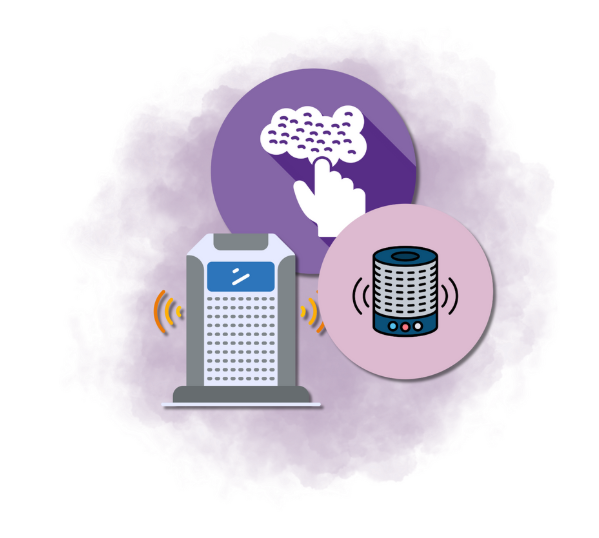
Action Tip: Promote the use of screen reader-compatible platforms, tactile signage, and flexible work arrangements. Encourage HR teams to include disability inclusion in diversity training—not as an afterthought, but as a core value.
Public Spaces: Designing for Dignity
Cities and communities shape how blind individuals move, connect, and participate. Inclusive public spaces feature:
- Tactile paving and audible traffic signals.
- Braille signage and clear wayfinding systems.
- Staff trained in respectful, non-patronizing assistance.
The Center for Inclusive Design (2023) notes that designing for the blind often improves usability for all—parents with strollers, older adults, and people with temporary injuries. Inclusion is not a niche concern; it’s a universal benefit.
Action Tip: Join or initiate local campaigns for accessible infrastructure. Encourage public institutions to consult blind users in design decisions—from transit systems to museum exhibits.
Turning Empathy into Advocacy
Empathy is powerful—but advocacy is transformative. Allies can:
- Amplify blind voices in decision-making spaces.
- Challenge ableist language or words phrases that meant to belittle people with disabilities and assumptions (Resnick, 2025)
- Support policies that protect disability rights and promote accessibility.
As Judith Heumann once said, “Disability only becomes a tragedy when society fails to provide the things we need to lead our lives.” Inclusion is not about fixing people—it’s about fixing systems.
Conclusion
Building inclusive communities for the blind is not a one-time initiative—it’s an ongoing, intentional practice. It calls on educators, employers, city planners, and everyday citizens to move beyond awareness and into action. When we design with dignity, communicate with respect, and advocate with purpose, we create spaces where blind individuals are not just present—they are powerful contributors.
Inclusion is not about making room—it’s about recognizing that blind people already belong. By listening, adapting, and co-creating, we transform empathy into equity and passive support into shared leadership. The future of inclusion isn’t built by a few—it’s shaped by all of us, together.
References
Center for Inclusive Design. (2023). Designing for everyone: Inclusive environments and public space. https://centreforinclusivedesign.org.au/resources/designing-for-everyone/
International Labour Organization. (2022). Disability inclusion in the workplace: A business imperative. https://www.ilo.org/global/topics/disability-and-work/WCMS_848511/lang–en/index.htm
Resnick. (2025). Types of Ableist Language and What to Say Instead. https://www.verywellmind.com/types-of-ableist-language-and-what-to-say-instead
World Health Organization. (2023). Inclusive education for children with disabilities: Global report

Leave a Reply