
Innovations Transforming Blind Navigation and Communication
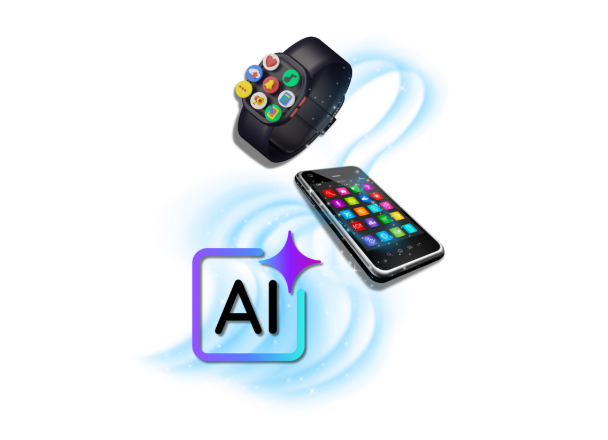
In a world built around visual cues, blind individuals have long relied on ingenuity, tactile tools, and community support to navigate and communicate. But in 2025, technology is finally catching up—not just as an aid, but as an extension of human capability. Talking tech is no longer a novelty; it’s a necessity. And today’s innovations are reshaping how blind users move through space, connect with others, and access information.
This article explores the latest breakthroughs in apps, wearables, and smart devices designed with—and for—blind communities, turning accessibility into empowerment.
Smarter Apps for Everyday Access
Modern smartphones have become powerful accessibility hubs. Apps like Seeing AI, Lookout by Google, and Be My Eyes transform cameras into interpreters—reading text, identifying objects, and describing scenes aloud.
In 2025, Be My Eyes introduced a GPT-powered “Virtual Volunteer” that allows blind users to send images and receive instant, intelligent descriptions—from reading a menu to identifying a product label (Cerebral Palsy Resource, 2025). These tools are intuitive, fast, and increasingly personalized.
Emerging App Highlight: AccessNow uses AI and crowdsourcing to map accessibility features in public spaces—like ramps, elevators, and tactile signage—making navigation more predictable and inclusive (Cerebral Palsy Resource, 2025).
Wearables That Guide and Empower
Wearable tech is revolutionizing mobility. Devices like the Sunu Band use sonar to detect obstacles and provide haptic feedback, allowing blind users to “feel” their surroundings through vibration. Meanwhile, OrCam MyEye—a discreet camera mounted on glasses—reads text, recognizes faces, and identifies products in real time.
In 2025, startups like SensAble are pushing boundaries with smart bands that guide users using directional pulses, eliminating the need for screen-based input (Besensable, 2025). These wearables prioritize quiet, intuitive feedback—ideal for navigating busy environments without drawing attention.
Emerging Trend: Indoor navigation is gaining traction, with devices using Bluetooth beacons and spatial audio to guide users through malls, airports, and museums—spaces where GPS falls short (VisionBuddy, 2025).
Voice Technology and AI Companions
Voice assistants like Siri, Alexa, and Google Assistant remain essential tools for blind users—offering hands-free access to calendars, messages, and information. But in 2025, voice tech is becoming more adaptive.
Tools like Voiceitt now support users with non-standard speech, expanding access to those previously excluded from voice interfaces (Cerebral Palsy Resource, 2025). Meanwhile, AI companions are learning to anticipate user needs—offering reminders, navigation tips, and contextual support based on location and routine.
Emerging Innovation: Project Guideline by Google uses machine learning to help blind runners follow a painted line using only a phone and headphones—no guide needed. It’s a powerful example of tech enabling independence through real-time environmental awareness.
Conclusion
In 2025, innovation is no longer just catching up—it’s walking alongside blind individuals, reshaping how they navigate, communicate, and connect. These breakthroughs in apps, wearables, and voice technology aren’t simply tools—they’re extensions of agency, dignity, and possibility.
From AI-powered descriptions to haptic-guided mobility, today’s tech reflects a deeper shift: one where accessibility is not an afterthought, but a design principle. These solutions are born from collaboration with blind communities, proving that when lived experience guides innovation, the results empower everyone.
Thus, as we move forward, the challenge is not just to build smarter tools—but to build a smarter society. One that listens, adapts, and ensures that blind individuals are not just users of technology, but co-creators of the future. Because when accessibility becomes standard, independence becomes unstoppable.
References
Besensable. (2025). New tools for the blind: Tech trends to watch in 2025. https://www.besensable.com/post/visually-impaired-products
Cerebral Palsy Resource. (2025). Accessible innovations in technology – 2025 updates. https://cpresource.org/topic/accessible-design-technology/accessible-innovations-technology-2025-updates
VisionBuddy. (2025). What’s next in assistive tech for the visually impaired?


Leave a Reply