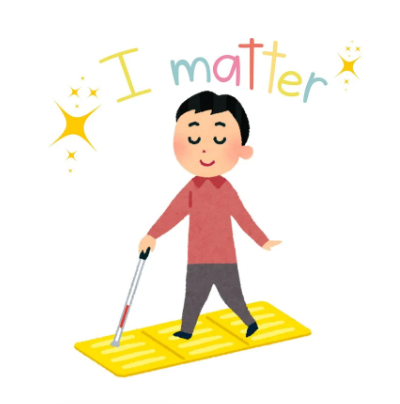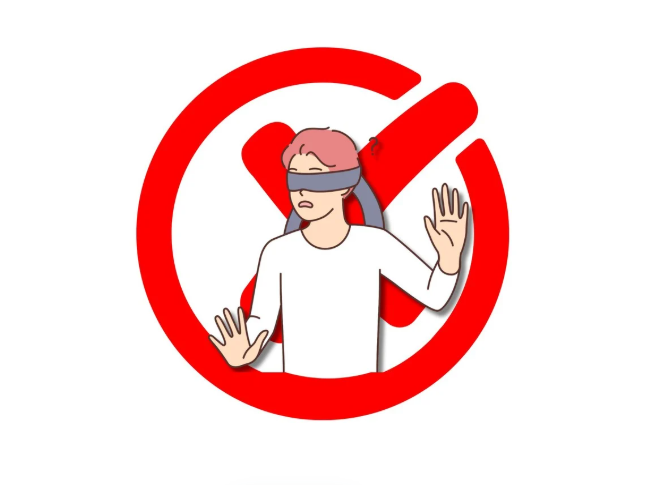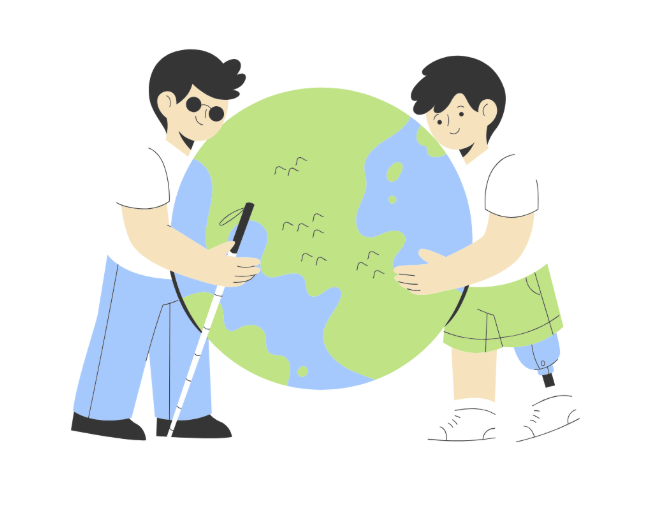
Reinforcing Blind Achievements with Grace
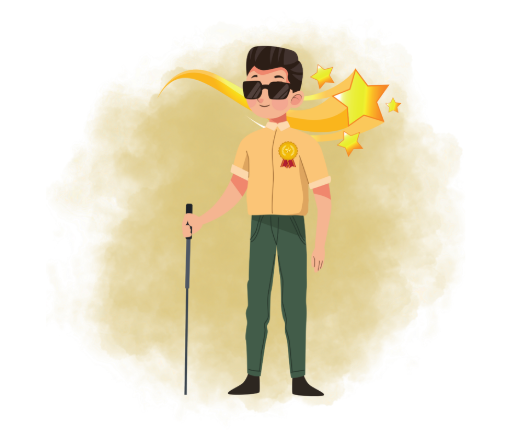
When blind individuals succeed—whether in school, work, art, or advocacy—their achievements are often met with awe. While recognition is important, framing these successes as “extraordinary” or “against all odds” can unintentionally reinforce stereotypes. It suggests that blindness is inherently incompatible with excellence, and that achievement is surprising rather than expected.
This article explores how families, educators, and allies can celebrate blind achievements with grace—uplifting without overshadowing, honoring without othering.
The Problem with Exceptionalism
Exceptionalism occurs when blind individuals are praised not simply for what they’ve done, but for having done it “despite” their disability. While often well-meaning, this framing can:
- Reinforce the idea that blindness is a tragic limitation.
- Place undue pressure on blind individuals to constantly “prove” their worth.
- Diminish everyday accomplishments that deserve recognition on their own terms (Girma, 2020).
As disability advocate Stella Young famously said, “I’m not your inspiration, thank you very much.” Her TED Talk challenged the notion that disabled people exist to inspire others simply by living their lives (Young, 2014).
Graceful Recognition: What It Looks Like
1. Celebrate the Achievement, Not the Disability
Focus on the skill, effort, or impact—not the fact that the person is blind. For example:
- “Your presentation was clear and compelling” is more affirming than “I can’t believe you did that without sight.”
2. Avoid Overpraising Routine Successes
Blind individuals, like anyone else, complete daily tasks, earn degrees, and pursue careers. Treating these as heroic can feel patronizing. Instead, normalize competence and celebrate growth.
3. Ask, Don’t Assume
Some blind individuals appreciate recognition that includes their disability; others prefer it not be mentioned. Ask how they’d like their story to be told. Respecting personal preference is key to inclusive support (National Federation of the Blind, n.d.).
Mindsets for Families and Allies
- Expect capability: Assume blind individuals can learn, lead, and succeed. This mindset fosters confidence and opportunity.
- Model respect: Use language that affirms dignity—avoid phrases like “suffers from” or “confined to.”
- Amplify voices: Let blind individuals speak for themselves. Share platforms, not spotlights.
In Practice: Supporting with Grace
- In schools: Recognize blind students for academic or creative excellence without framing it as “inspirational.” Include them in honors and leadership roles based on merit.
- At home: Celebrate milestones—graduations, hobbies, promotions—just as you would for any family member.
- In media: Advocate for stories that portray blind individuals as complex, capable people—not just symbols of perseverance.
As Girma (2020) writes, “Disability doesn’t diminish our humanity. It expands it.”
Conclusion
Celebrating blind achievements with grace means shifting the spotlight from spectacle to sincerity. It’s about seeing blind individuals not as exceptions to the rule, but as full participants in the human story—capable, creative, and deserving of recognition on their own terms. When we move beyond exceptionalism, we make space for authentic praise, quiet pride, and everyday dignity.
True support lies in expecting excellence, not being surprised by it. It’s found in the way we speak, the stories we share, and the platforms we build together. By honoring effort, respecting autonomy, and amplifying voices without distortion, we reinforce not just achievement—but belonging.
Thus, grace is not about lowering the bar or raising it impossibly high. It’s about meeting each person where they are, and celebrating who they are—with honesty, humility, and heart.
References
Girma, H. (2020). Haben: The deafblind woman who conquered Harvard Law. Twelve.
National Federation of the Blind. (n.d.). Blindness terminology and respectful language. https://www.nfb.org/resources/blindness-terminology
Young, S. (2014, April). I’m not your inspiration, thank you very much [Video]. TEDxSydney. https://www.ted.com/talks/stella_young_i_m_not_your_inspiration_thank_you_very_much